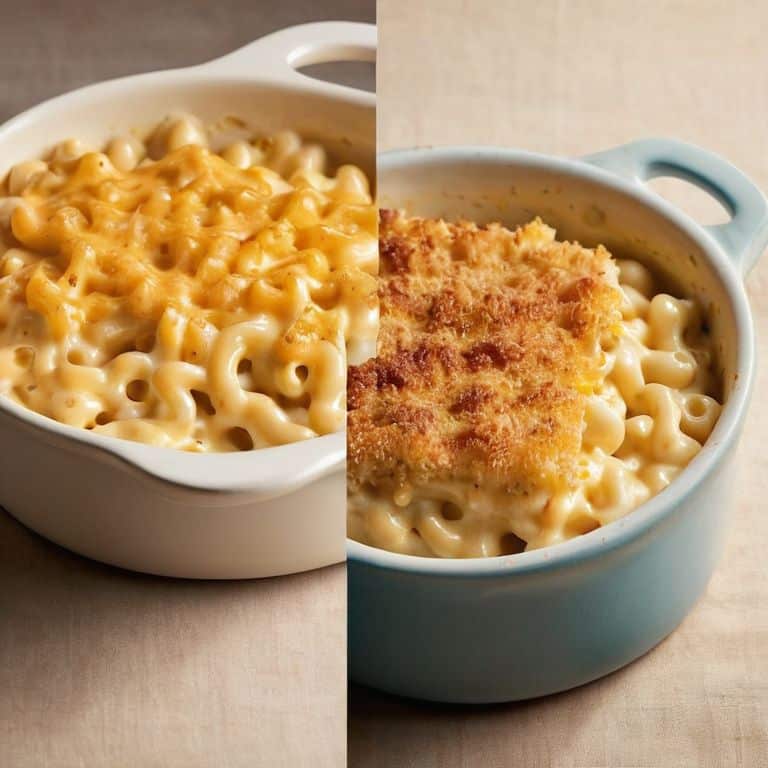
Baked vs. Stovetop Mac: Panko Topping & Creamy Sauce Showdown
When it comes to the ultimate comfort food, few dishes can rival the humble yet majestic macaroni and cheese. This beloved classic transcends generations and cultures, adapting to countless variations while always delivering that warm, cheesy embrace. But for home cooks and connoisseurs alike, a perennial debate sparks lively discussion: should your perfect
mac and cheese recipe be a quick stovetop marvel or a slow-baked masterpiece? And what about that irresistible crunchy topping?
In this comprehensive guide, we'll dive deep into the distinct worlds of stovetop and baked mac and cheese, exploring their unique attributes, culinary science, and the magic of a Panko topping. Prepare to discover which method best suits your craving and lifestyle.
The Stovetop Sensation: Speed, Simplicity, and Serious Creaminess
Imagine this: a craving for creamy mac and cheese hits, and you have less than 15 minutes. This is where the stovetop method shines, particularly an innovative technique that yields astonishingly smooth results with minimal fuss. Forget the traditional béchamel sauce and multiple pots; a revolutionary approach focuses on harnessing the power of pasta starch and evaporated milk.
The secret lies in cooking the macaroni in a *very* small amount of water – just enough to cover the pasta. As the pasta cooks, it releases starch directly into the cooking liquid, creating a naturally thickened base. This starchy water is crucial; it acts as a powerful emulsifier, binding with the cheese to form a velvety-smooth sauce that resists breaking or turning greasy. This ingenious method takes inspiration from classic Italian dishes like cacio e pepe, where starchy pasta water is key to emulsifying cheese into a perfect sauce. For a deeper dive into this quick and magical process, be sure to check out
Unlock Creamy Mac and Cheese: 3 Ingredients, 10 Minutes, Stovetop Magic.
Once the pasta is just shy of al dente and most of the water has been absorbed, the next hero ingredient steps in: evaporated milk. This isn't just regular milk; evaporated milk is a concentrated source of milk protein micelles. These protein bundles are exceptional emulsifying agents, ensuring the cheese melts into an incredibly stable, creamy, and smooth sauce. Adding it towards the end prevents the scorching that can occur when cooking pasta directly in milk. Any good melting cheese will do the trick here – sharp cheddar, Fontina, Gruyère, or Monterey Jack are all excellent choices, melting beautifully into the starchy, protein-rich liquid.
The beauty of this stovetop
mac and cheese recipe is its incredible efficiency. It often requires fewer ingredients than a box mix and can be ready in about 10 minutes. It’s perfect for a quick lunch, a spontaneous dinner, or even a single serving when you need instant comfort. The concentrated starch and evaporated milk work in harmony to create an almost impossibly creamy, gooey, and utterly satisfying texture. Learn more about the science behind this incredible texture by visiting
Secret to Creamy Mac and Cheese: Starch, Evaporated Milk & Emulsification.
**Stovetop Strengths:**
* **Speed:** Ready in minutes, ideal for busy weeknights.
* **Simplicity:** Minimal ingredients and one-pot convenience.
* **Creaminess:** Unbeatable smooth, gooey texture thanks to starch and evaporated milk.
* **Freshness:** Best enjoyed immediately for peak creaminess.
The Baked Brilliance: Layers of Flavor and that Irresistible Crunch
While the stovetop method champions speed and immediate gratification, baked mac and cheese elevates the experience into a truly indulgent affair. This version is often more elaborate, featuring a rich, homemade cheese sauce (traditionally a béchamel base) and multiple layers of flavor. But what truly sets it apart, for many enthusiasts, is the crowning glory: a golden, crispy topping.
A classic baked
mac and cheese recipe typically begins with a roux – butter and flour cooked together – to which milk is gradually added to create a thick, luscious béchamel sauce. This sauce then forms the base for a symphony of cheeses. Many recipes call for a blend of three or more cheeses, each contributing its unique character: sharp cheddar for pungency, Gruyère for nuttiness, Fontina for meltiness, and perhaps a touch of cream cheese for extra tang and silkiness. The cooked pasta is then folded into this luxurious cheese sauce, poured into a baking dish, and prepared for its grand finale in the oven.
The baking process itself transforms the dish. The heat allows the flavors to meld and deepen, creating a more complex and robust profile than its stovetop counterpart. The edges often crisp up slightly, offering a delightful textural contrast to the gooey interior. But the true game-changer, the element that makes baked mac and cheese the "very favorite" for many, is the topping.
Panko Power: Elevating Your Mac and Cheese Topping
This is where the stovetop vs. baked debate often finds its most passionate advocates. While a stovetop mac is all about pure, unadulterated creaminess, a baked version thrives on adding an extra dimension: crunch. And for that, Panko breadcrumbs are the undisputed champion.
Why Panko? Regular breadcrumbs, while adequate, can sometimes turn dense or chewy. Panko, a Japanese-style breadcrumb, is made from bread without crusts, resulting in a lighter, airier, and flakier crumb. This unique structure allows Panko to crisp up beautifully in the oven, creating an incredibly satisfying crunch without becoming heavy or oily.
A perfect Panko topping often involves a simple yet magical blend:
* **Panko Breadcrumbs:** The star, providing the light, crispy texture.
* **Parmesan Cheese:** Adds a salty, umami depth and helps form a golden crust.
* **Melted Butter:** Binds the crumbs, ensures even browning, and enriches the flavor.
* **Paprika:** Not just for color, paprika adds a subtle smokiness or sweetness, deepening the overall taste profile. A pinch of garlic powder or dried herbs like thyme or oregano can also be wonderful additions.
Once mixed, this glorious topping is sprinkled generously over the mac and cheese before baking. As the dish bakes, the Panko mixture toasts to a beautiful golden brown, creating an irresistible textural contrast to the bubbling, cheesy pasta beneath. It’s this textural interplay—the yielding, creamy pasta giving way to a crisp, savory crunch—that elevates baked mac and cheese to another level of culinary delight.
**Baked Mac Strengths:**
* **Depth of Flavor:** Multiple cheeses and slower cooking develop richer, more complex tastes.
* **Texture Contrast:** The crispy Panko topping is a significant differentiator.
* **Presentation:** Beautifully browned and bubbly, perfect for entertaining or potlucks.
* **Make-Ahead Potential:** Can often be assembled ahead of time and baked later.
Which Mac Reigns Supreme? Making Your Choice
Ultimately, the "best"
mac and cheese recipe boils down to personal preference, the occasion, and the time you have available.
* **Choose Stovetop If:** You need speed, value ultimate creaminess above all else, prefer a simpler preparation, or are cooking for one or two. It’s the instant gratification option, delivering pure, unadulterated cheesy goodness in minutes.
* **Choose Baked If:** You crave a deeper, more layered flavor profile, desire that iconic crunchy topping, are cooking for a crowd, or want a dish that feels more celebratory and indulgent. It's an experience, a commitment to comfort food excellence.
Conclusion
Whether you opt for the lightning-fast, incredibly creamy stovetop method, relying on the genius of pasta starch and evaporated milk, or you prefer the deep flavors and irresistible crunch of a baked mac and cheese crowned with a golden Panko topping, one thing is certain: a homemade
mac and cheese recipe is always a win. Both methods offer distinct pleasures, transforming simple ingredients into a dish that truly nourishes the soul. So, next time the craving strikes, consider your mood and your pantry, and embark on your own mac and cheese adventure!