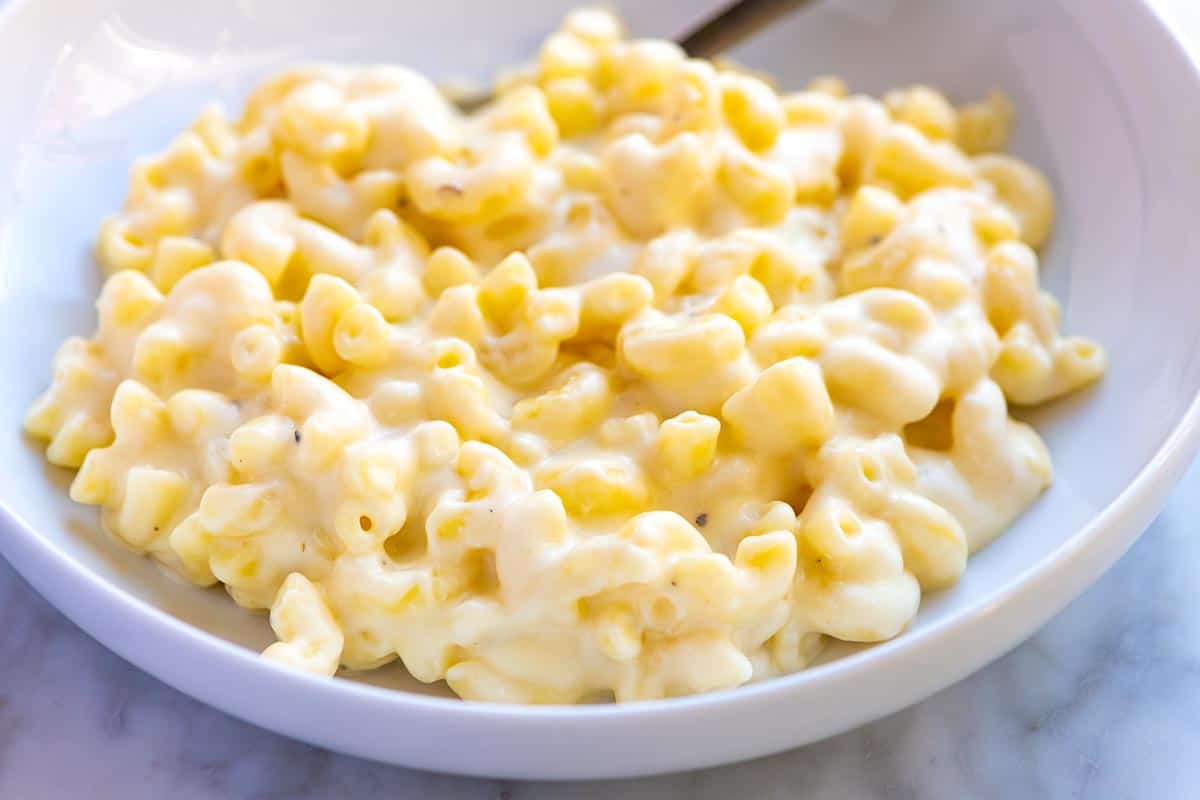
The Secret to Creamy Mac and Cheese: Unveiling the Magic of Starch, Evaporated Milk & Emulsification
Ah, macaroni and cheese. Just the mention of it conjures images of bubbling, golden, cheesy goodness—a dish that offers ultimate comfort and pure culinary joy. But how often have you chased that perfect, ultra-creamy, never-greasy consistency, only to end up with a clumpy, separated, or lackluster sauce? The quest for the ultimate homemade mac and cheese recipe often feels like a culinary holy grail. What if we told you the secret isn't a complex roux or a dozen ingredients, but rather a clever application of kitchen science involving just a few key components: pasta starch, evaporated milk, and the art of emulsification? Get ready to unlock the true potential of this beloved classic.
The Culinary Science Behind Unforgettable Creaminess
The foundation of an outstanding mac and cheese lies in understanding how ingredients interact on a molecular level. Forget the dense, pasty sauces of the past; modern techniques, inspired by classical pasta dishes, harness natural starches and proteins to create a velvety smooth, stable emulsion.
The Starchy Secret: Pasta Water Concentration
Imagine cooking your macaroni in just a whisper of water – barely enough to cover the pasta. This seemingly small alteration is, in fact, a game-changer. As pasta cooks, it releases starch into its surrounding liquid. In a large pot of water, this starch is diluted and often drained away. But when you limit the water volume, that precious starch becomes highly concentrated.
This concentrated pasta water is a natural wonder. It's essentially liquid gold, rich in starches that act as powerful emulsifiers. An emulsion is a stable mixture of two liquids that don't usually mix (like oil and water), with tiny fat droplets suspended evenly throughout a liquid. In mac and cheese, this means the fat from the cheese and butter (if using) remains suspended in the liquid, creating a smooth, cohesive sauce rather than separating into greasy pools and tough cheese curds. This technique draws inspiration from Roman classics like cacio e pepe, where starchy pasta water is the sole emulsifying agent for cheese and pepper. So, when preparing your pasta, remember this: use *just* enough cold water to cover your dry macaroni, add a pinch of salt, and stir frequently as it comes to a boil and cooks. This ensures the pasta cooks perfectly al dente while maximizing starch release into the pot.
Evaporated Milk: Your Emulsification Powerhouse
While concentrated pasta starch lays a crucial groundwork, the real secret weapon for a foolproof, creamy mac and cheese recipe often comes in a can: evaporated milk. This isn't just regular milk; it's milk that has had about 60% of its water removed through evaporation, resulting in a highly concentrated liquid rich in milk proteins.
These concentrated proteins, specifically casein micelles, are incredible emulsifying agents. They create a protective barrier around fat molecules, preventing them from clumping together and separating from the watery components of the sauce. Think of them as tiny culinary bodyguards, ensuring your cheese sauce remains perfectly smooth and homogenous.
Beyond its emulsifying prowess, evaporated milk offers several advantages over fresh milk or cream in this context:
* **No Scorching Risk:** Unlike cooking pasta directly in milk, which can easily scorch and burn at the bottom of the pot, adding evaporated milk *after* the pasta has almost cooked down its water bypasses this common pitfall.
* **Enhanced Richness:** Its concentrated nature lends a richer, more luxurious mouthfeel without adding extra fat.
* **Stability:** The protein micelles contribute to a more stable sauce that is less likely to break or turn greasy, even if it sits for a short while. If your sauce does thicken too much, a splash of water and a good stir will bring it right back to life.
Beyond the Basics: Selecting Your Star Ingredients
While starch and evaporated milk provide the technical backbone, the quality of your other ingredients will truly elevate your mac and cheese from good to unforgettable.
The Right Cheese for Melting Magic
Not all cheeses are created equal when it comes to melting. For a truly smooth and velvety mac and cheese, you need cheeses with the right balance of moisture, fat, and pH levels. Good melting cheeses soften without becoming stringy or greasy. Excellent choices include:
* **Cheddar:** The quintessential mac and cheese cheese, offering sharpness and a classic orange hue.
* **Fontina:** Known for its nutty, buttery flavor and incredibly smooth melt.
* **Gruyère:** Provides a complex, slightly sweet and nutty flavor that deepens the sauce.
* **Jack (Monterey Jack):** A mild, creamy melting cheese that pairs well with sharper varieties.
**Pro Tip:** Always buy blocks of cheese and grate it yourself. Pre-shredded cheeses often contain anti-caking agents like cellulose, which can hinder smooth melting and result in a grainy texture. Don't be afraid to experiment with a blend of two or three cheeses to achieve a more complex flavor profile, marrying the sharpness of cheddar with the melt of Fontina or the depth of Gruyère.
Choosing Your Pasta Shape
While elbow macaroni is the traditional choice, any small, sturdy pasta shape with nooks and crannies will work beautifully. Shells, cavatappi, or even ditalini are excellent alternatives, as their shapes allow them to trap and hold onto that glorious, creamy cheese sauce in every bite. The important thing is to ensure consistent cooking and an even surface area for starch release.
Master the Method: A Stovetop Revolution
Armed with these secrets, creating a truly exceptional mac and cheese is surprisingly simple and fast. This stovetop method, often hailed for its efficiency and incredible results, can be quicker than making a boxed variety. For a quick and delightful meal, you can
Unlock Creamy Mac and Cheese: 3 Ingredients, 10 Minutes, Stovetop Magic using this technique.
Here's a breakdown of the streamlined process:
1. **Prep Your Pasta:** Place your chosen pasta (e.g., 6 ounces of macaroni for two servings) in a pot. Add just enough cold water to barely cover the pasta, along with a generous pinch of salt.
2. **Cook and Stir:** Bring the water to a boil, stirring frequently to prevent the pasta from sticking. Cook until the water is almost entirely absorbed, and the pasta is just shy of al dente (this typically takes about 6 minutes for macaroni). The residual starchy water will be thick and cloudy – exactly what you want!
3. **Add the Dairy:** Remove from heat and immediately stir in 6 ounces of evaporated milk. The concentrated proteins will begin their emulsifying magic.
4. **Incorporate the Cheese:** Add 6 ounces of your freshly grated melting cheese. Stir continuously until the cheese is fully melted and emulsified into a smooth, creamy, luscious sauce.
5. **Serve Immediately:** Enjoy your incredibly creamy mac and cheese straight from the pot!
This simplified approach doesn't just save time; it ensures maximum starch retention and leverages the power of evaporated milk, guaranteeing a silky-smooth result every time.
Elevating Your Mac: From Stovetop Simplicity to Baked Grandeur
While the stovetop method delivers unparalleled creaminess with minimal effort, there's an undeniable allure to baked mac and cheese—especially for those who crave a textural contrast. The magic of a baked version often lies in its topping, providing a delightful crunch that complements the smooth, rich interior.
The Irresistible Panko-Parmesan Topping
For many, a truly satisfying mac and cheese recipe culminates in a golden, crispy topping. This is where the simple stovetop mac can transform into a show-stopping dish. A Panko-Parmesan topping offers that perfect textural counterpoint, adding a satisfying crunch that elevates the entire experience.
To create this delectable crust:
* Combine Panko breadcrumbs (known for their superior crispiness) with grated Parmesan cheese, a touch of melted butter, and a pinch of paprika for color and subtle flavor.
* After preparing your creamy stovetop mac, transfer it to an oven-safe baking dish.
* Evenly sprinkle the Panko mixture over the top.
* Bake in a preheated oven (around 375°F or 190°C) until the topping is golden brown and crisp, and the cheese sauce is bubbly around the edges.
This extra step, while adding a few minutes to the process, is well worth it for the textural complexity it brings. Whether you prefer the straightforward luxury of a stovetop creation or the delightful crunch of a baked rendition, understanding the core principles of starch, evaporated milk, and emulsification will lead you to a superior mac and cheese. For a deep dive into the merits of both styles, check out our comparison:
Baked vs. Stovetop Mac: Panko Topping & Creamy Sauce Showdown.
Conclusion
The quest for the perfect mac and cheese recipe no longer needs to be a daunting culinary challenge. By embracing the simple, yet powerful, techniques of concentrated pasta starch and evaporated milk, you can create a truly creamy, gooey, and utterly satisfying dish with remarkable speed and consistency. These aren't just tricks; they're foundational principles of cooking that ensure your cheese sauce remains beautifully emulsified and never breaks. So, ditch the boxed mixes and complex roux methods. Armed with these secrets, you're now ready to craft the most delicious, homemade mac and cheese your taste buds have ever encountered, proving that sometimes, the simplest methods yield the most extraordinary results.